When Greatness Had to Become Something New
Lionel Messi did not arrive in Qatar as a breakout star in the traditional sense. He arrived as football's most complete individual résumé—yet still unfinished where it mattered most.
For nearly two decades, Messi's World Cup story had been one of weight. The expectations, the comparisons to Maradona, and the ghosts of finals lost. In 2022, the question wasn't "Is Messi the best?" It was "Can a 35-year-old Messi still carry a nation through seven brutal matches?"
What followed was not just a performance, but a total reinvention. Qatar 2022 wasn't Messi's loudest World Cup in terms of speed or volume. It was his most complete. He didn't just play for Argentina; he became the system itself.
Before Qatar: Certainty Mixed With Doubt
Pre-Tournament Expectations
While Messi was a guaranteed starter, his role was under scrutiny. Coming off a mixed first season at PSG, the doubts were whisper-quiet but present:
- Could he sustain physical intensity against younger, faster midfields?
- Would the team rely on him too much, creating a static "pass to Leo and pray" dynamic?
- Was this a farewell tour or a serious title challenge?
Why He Became Indispensable in a New Way
The shock defeat to Saudi Arabia changed everything. It forced manager Lionel Scaloni to abandon Plan A and rebuild the entire tactical structure around Messi's specific limitations and genius. Messi transitioned from being the "finisher" of moves to the originator of everything.
Style of Play: A Masterclass in Evolution
Messi at 35 could not outrun defenders. Instead, he outthought them.
Ball Progression & Passing Range
Messi played as a "Free No. 10" with a license to roam anywhere.
- The "Bowl" Build-up: He frequently dropped deep into his own half to collect the ball from the center-backs, acting as a deep-lying playmaker.
- Vertical Threat: His passing maps showed a shift from lateral retention to vertical risk-taking. He consistently attempted "line-breaking passes" that bypassed entire midfields.
Pressing Intelligence (The "Walking" Tactic)
Critics noted Messi walked more than any other player in the tournament. This wasn't laziness; it was active scanning.
- He spent defensive phases scanning blind spots and analyzing opposition structures.
- When he did press, it was a "trigger press"—short, intense bursts to cut off passing lanes rather than chase the ball carrier.
Tactical Discipline
Minimal Heatmap Insight: His heatmap showed a heavy concentration in the right half-space and the center circle. He rarely hugged the touchline, preferring the pockets of space between the opposition's midfield and defense.
Match Impact: How Argentina Changed Around Messi
Argentina's squad balance was masterfully engineered to compensate for Messi's lack of defensive running.
The "Bodyguard" Midfield
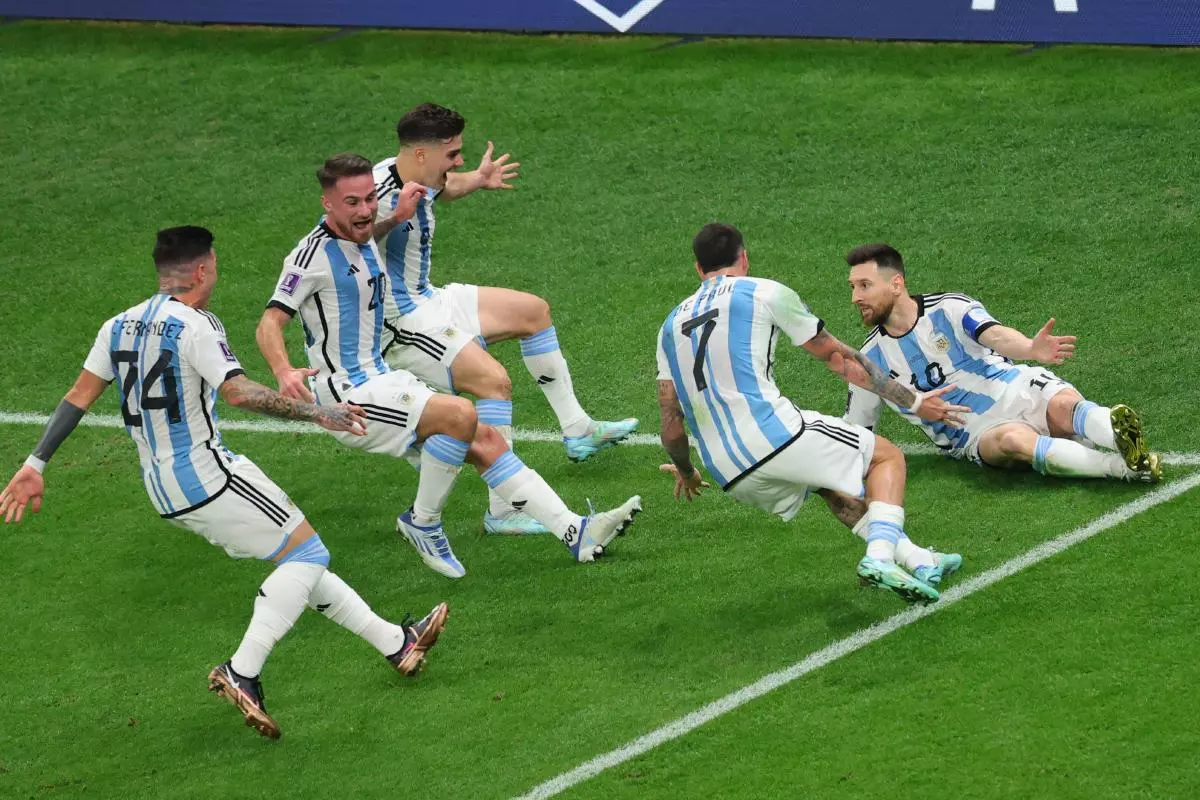
The introduction of Enzo Fernández, Alexis Mac Allister, and Rodrigo De Paul created a protective ring around Messi. They did the running of three men so Messi could do the thinking of one genius.
- De Paul: Often drifted wide to cover the space Messi vacated.
- Álvarez: Pressed the goalkeeper relentlessly, allowing Messi to conserve energy for counter-attacks.
Quarterfinal vs Netherlands – Authority in Chaos
In a match that descended into violence and chaos, Messi was the eye of the storm.
The Moment: His assist for Nahuel Molina defied physics. Messi didn't pass to a lane that existed; he passed to a lane that would exist, manipulating the Dutch defense with his eyes before threading a ball through Nathan Aké's legs.
Impact: He registered 4 key passes and won 8 fouls, effectively breaking the Dutch rhythm by forcing them to stop him illegally.
The Final vs France: The Ultimate Performance
The final was the microcosm of his entire campaign.
- Goals: 2 (One penalty, one rebound in extra time)
- Distribution: Completed 91.2% of his passes—an absurd number for an attacking playmaker in a high-pressure final
- Key Stat: Created 4 chances and had the most touches in the opposition box
When France equalized and panic set in, Messi demanded the ball. He didn't hide; he dropped deeper to stabilize the ship.
Key Moments That Defined the Campaign
- Goal vs Mexico: A low drive from outside the box that broke the tension when Argentina was minutes away from a crisis.
- No-Look Assist vs Netherlands: Widely considered the "pass of the tournament," showcasing his spatial awareness.
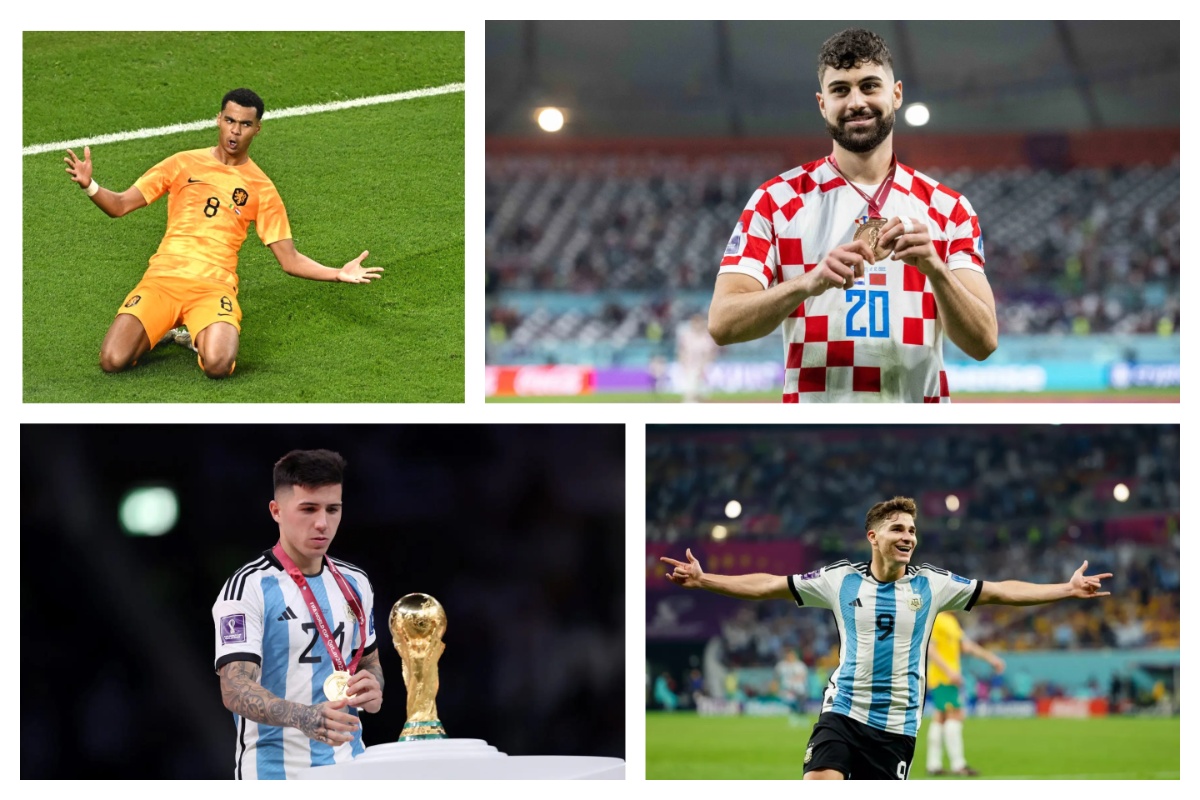
- The "Gvardiol" Assist: Turning the tournament's best defender (Joško Gvardiol) inside out on the wing to set up Julián Álvarez vs Croatia.
Legacy: How Qatar 2022 Changed His Trajectory
Post-Tournament Reality
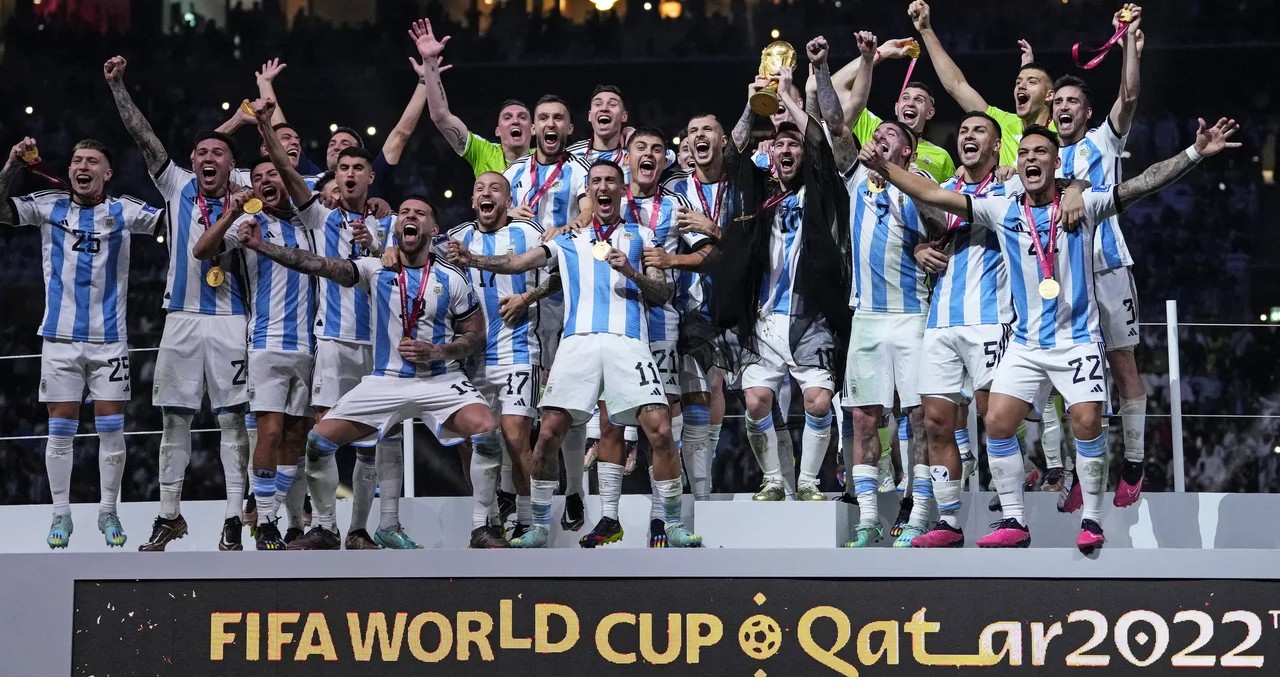
The debate ended. Qatar 2022 didn't just add a trophy to Messi's cabinet; it completed his narrative arc. He transformed from a silent genius into a vocal, emotional leader—the "Maradonian" figure Argentina had craved for decades.
He left Qatar with:
- 7 Goals (Scoring in every knockout round: R16, QF, SF, Final)
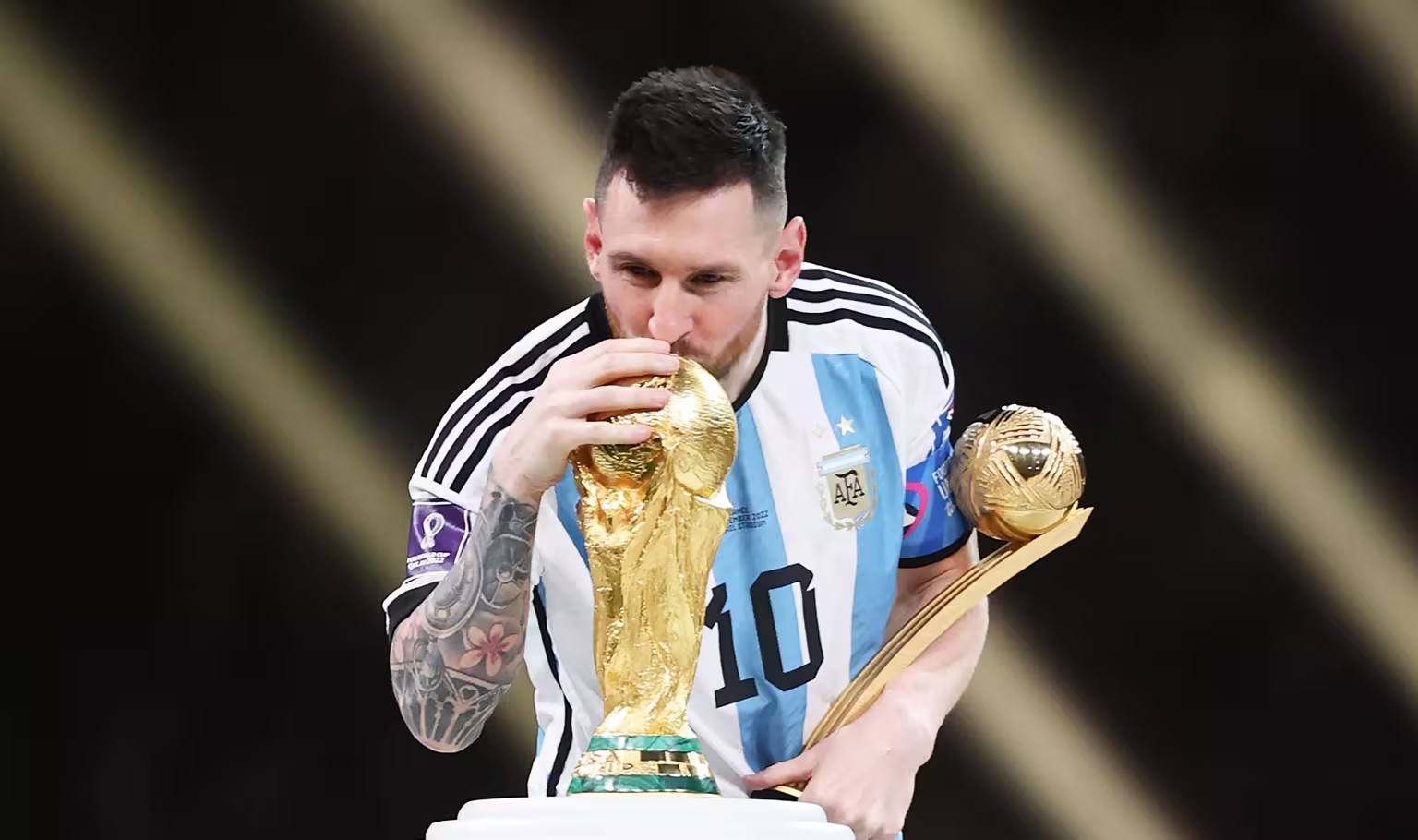
- Golden Ball (Best Player)
- The Completion of Football: He became the only player to master every role: scorer, creator, and captain.
"Lionel Messi didn't just win the World Cup. He completed it."