When the World Cup Changes Careers Forever
Every World Cup crowns champions, but only a few redefine careers.
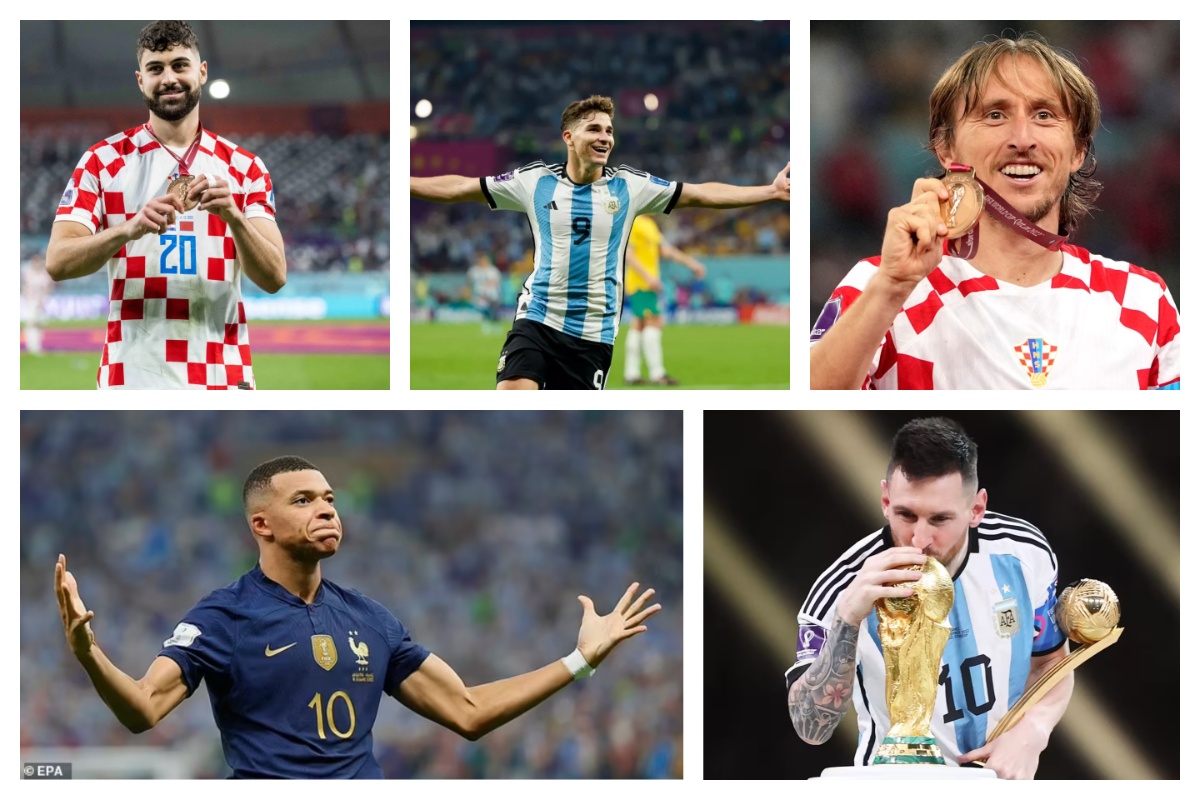
Qatar 2022 was billed as the final battleground for the old guard—Lionel Messi's swan song, Cristiano Ronaldo's last stand, and a clash of established titans. The script was written for the veterans. Instead, the tournament became a proving ground for a fearless new generation—players who didn't arrive as global superstars but left as inevitabilities.
These were not fleeting viral moments. These were structural transformations. The players highlighted below didn't just play well; they fundamentally altered their teams' tactical identities, solved critical squad imbalances, and shifted the gravity of matches when the pressure was highest.
This is the story of the Breakout Stars of the FIFA World Cup 2022—the players who used football's biggest stage to step permanently into the spotlight.
What Defines a Breakout Star?
A breakout star is not simply a player who scores a goal. At Qatar 2022, true breakout stars shared three distinct traits:
- Tactical Problem Solvers: They fixed a specific weakness in their team mid-tournament.
- Squad Balancers: Their inclusion allowed star teammates (like Messi or Van Dijk) to play more effectively.
- Pressure Players: Their influence grew deeper as the stakes became higher.
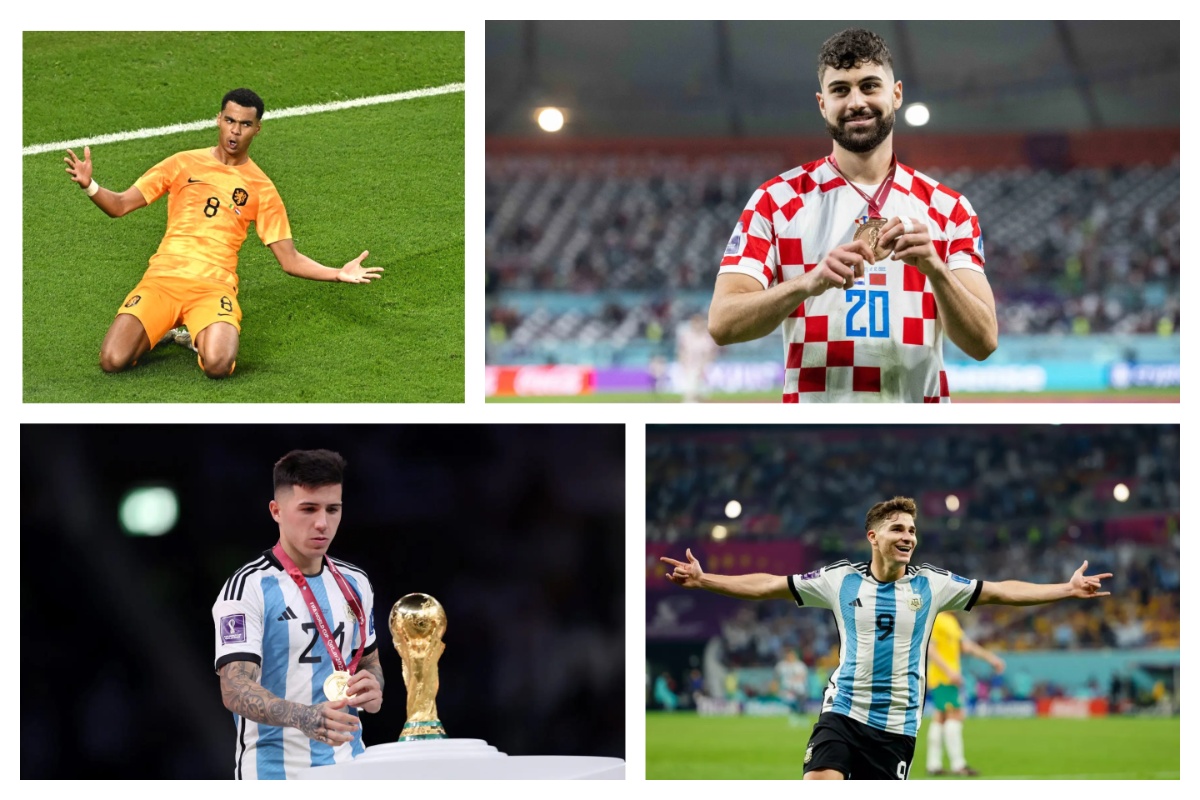
Enzo Fernández, Julián Álvarez, Cody Gakpo, and Joško Gvardiol didn't just perform—they reshaped the destiny of their nations.
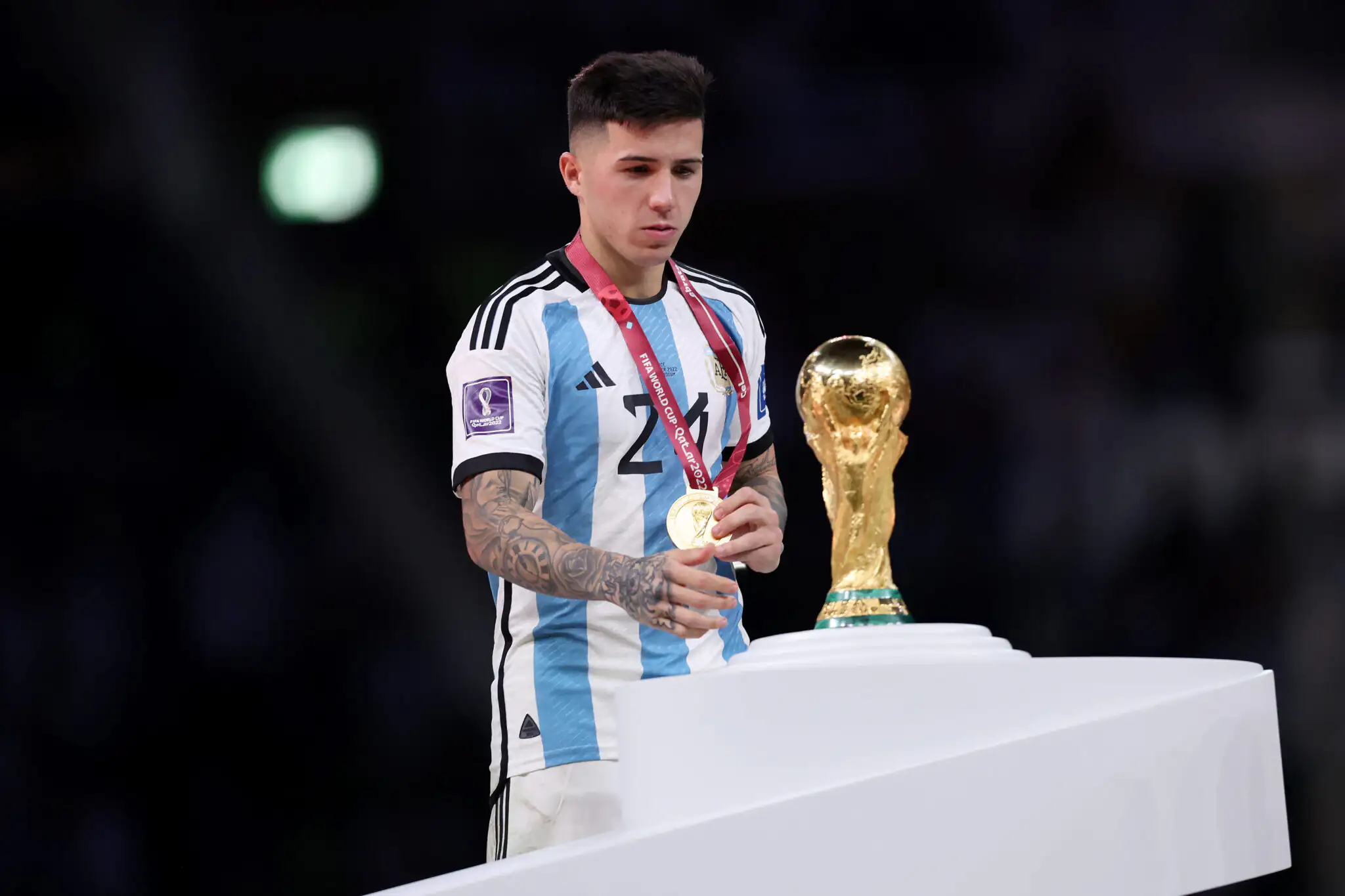
Enzo Fernández – World Cup Breakout Story
From Squad Player to Argentina's Midfield Axis
Enzo Fernández did not start Argentina's World Cup journey as a guaranteed starter. He began the tournament on the bench, watching his team suffer a shock defeat to Saudi Arabia. By the time the final whistle blew in Lusail, he was the heartbeat of the world champions and the recipient of the Young Player Award.
Introduced as a substitute against Mexico when Argentina was staring into the abyss of early elimination, Enzo immediately added what the team lacked: verticality, tempo control, and a fearlessness in possession that defied his age. His curling goal to seal that match was the moment he arrived; his performance in the final was the moment he stayed.
Impact on Squad Balance
Enzo's introduction solved Argentina's biggest tactical headache: the lack of a dynamic link between defense and attack.
- Freed Messi: By taking over the ball progression duties, Enzo allowed Messi to receive the ball higher up the pitch, closer to the goal, rather than dropping deep to the halfway line.
- Verticality over Safety: Unlike the more conservative passing of previous setups, Enzo looked to break lines instantly. His passing maps showed a preference for vertical, progressive balls that bypassed opposing midfields.
- Defensive Grit: In the final against France, Enzo made 10 tackles, the most by any player in a World Cup final since Gennaro Gattuso in 2006.
Argentina didn't just gain a midfielder. They gained clarity.
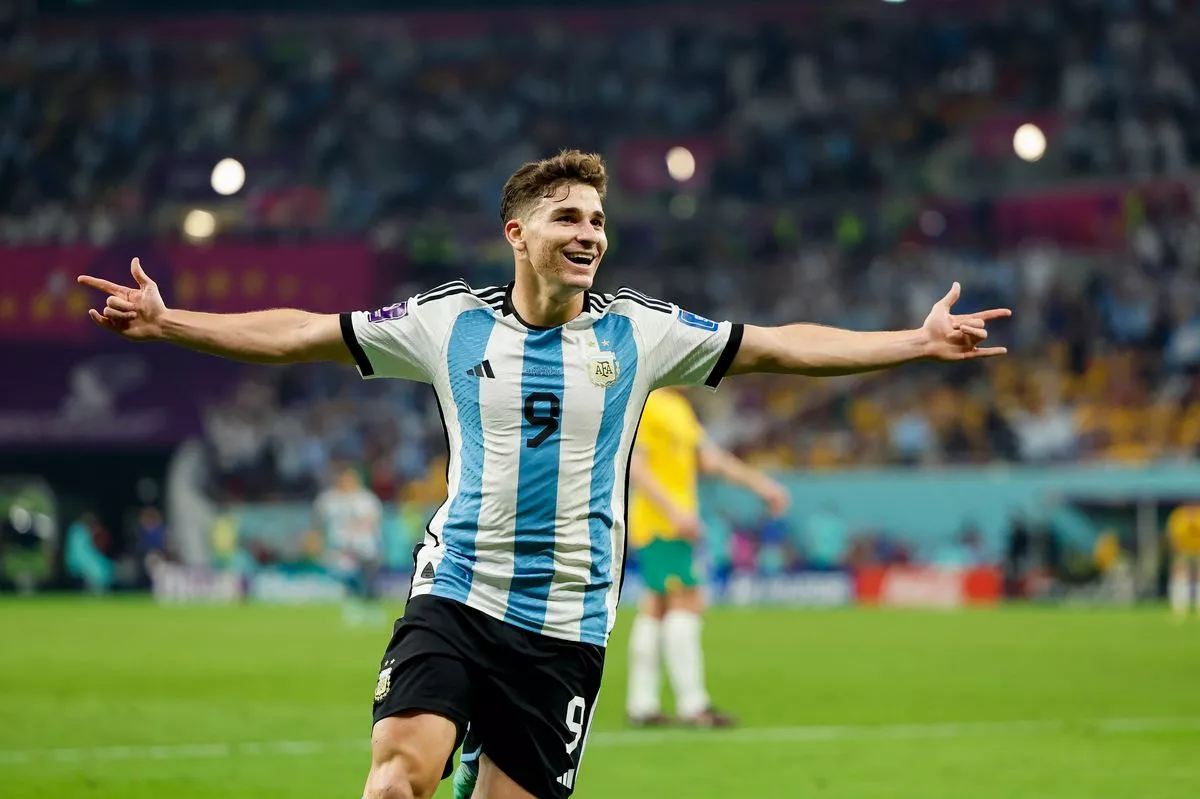
Julián Álvarez – Rise on the World Stage
The Forward Who Made Everyone Else Better
If Enzo Fernández was the brain of Argentina's resurgence, Julián Álvarez was its lungs. He arrived in Qatar as a promising backup to Lautaro Martínez, but his tireless running and clinical finishing quickly made him undroppable.
When Lionel Scaloni replaced Lautaro with Álvarez, Argentina's attack transformed overnight. The pressing intensity skyrocketed. Defensive lines were forced to retreat under his harassment, creating pockets of space for Lionel Messi to exploit.
Impact on Squad Balance
Álvarez was the perfect foil for Messi, doing the "dirty work" so the captain could focus on magic.
- Defending from the Front: Álvarez acted as the first line of defense. His relentless pressing forced turnovers high up the pitch, most notably in the mistake that led to his goal against Australia.
- Restoring Vertical Threat: While Argentina's midfield controlled the tempo, Álvarez offered constant runs in behind, stretching defenses vertically.
- The "Spider" Effect: His solo goal against Croatia—where he ran from his own half, riding challenges through sheer willpower—symbolized his role. He was chaotic energy focused into a tactical weapon.
Álvarez didn't just rise individually. He elevated everyone around him.
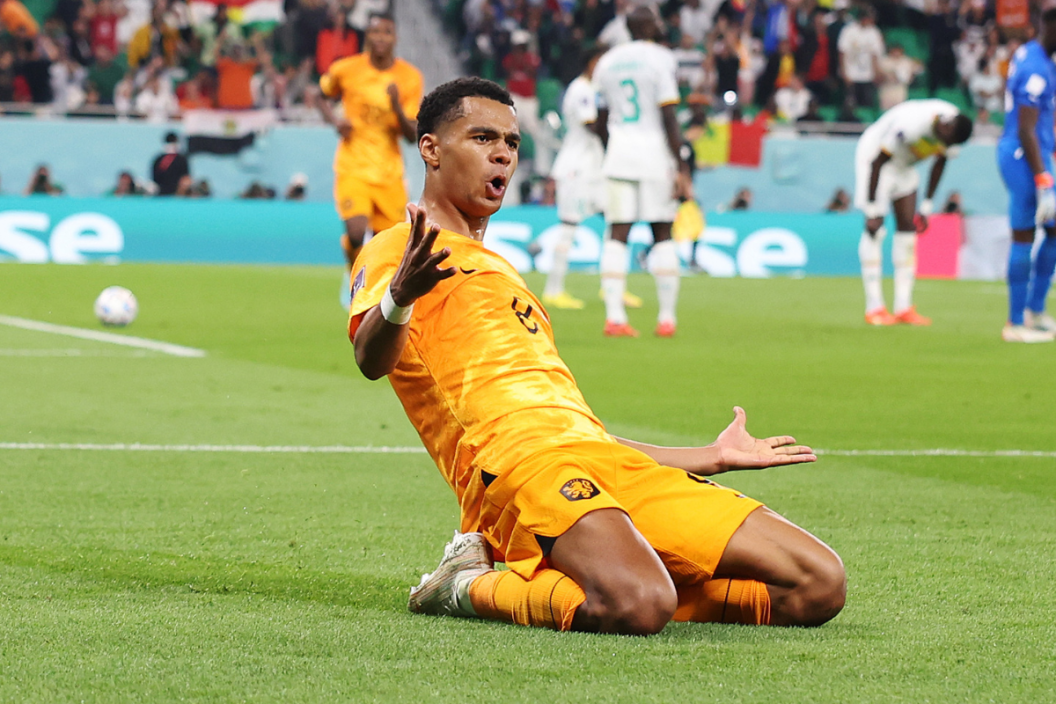
Cody Gakpo – World Cup That Changed His Career
The Netherlands' Unexpected Focal Point
Cody Gakpo entered the tournament as a highly respected talent from the Eredivisie, but doubts remained about his ability to perform at the elite international level. Three group games later, those doubts had evaporated.
Scoring in all three group matches against Senegal, Ecuador, and Qatar, Gakpo offered the Netherlands something they desperately needed: a clinical edge. Louis van Gaal deployed him in a hybrid role—sometimes a Number 10, sometimes a striker—and Gakpo responded by becoming the team's primary attacking reference.
Impact on Squad Balance
The Dutch side struggled for creative fluidity, but Gakpo provided efficiency.
- Tactical Versatility: He thrived in Van Gaal's 3-4-1-2, drifting into the "half-spaces" where defenders struggled to track him.
- Midfield Confidence: Knowing Gakpo could hold up the ball and create shots from nothing allowed the Dutch midfield (Frenkie de Jong and Teun Koopmeiners) to advance with more confidence.
- Structure in Transition: His goals often broke the deadlock early, allowing the Netherlands to sit back and play their preferred counter-attacking style.
Qatar didn't invent his talent. It accelerated its recognition.
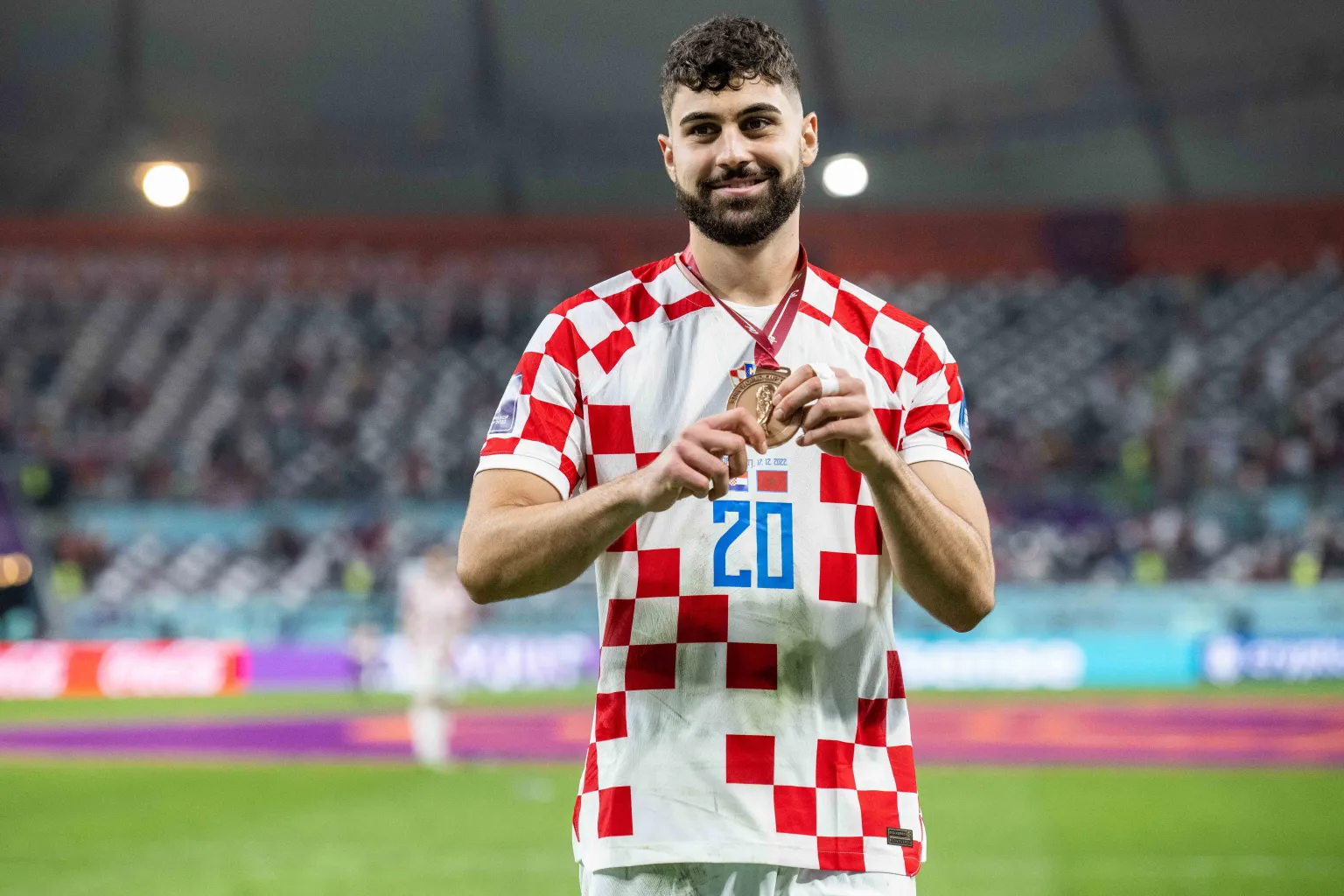
Joško Gvardiol – Defensive Breakout Star
The Defender Who Neutralized the World's Best
While attackers usually grab the headlines, Joško Gvardiol delivered one of the most complete defensive performances in modern World Cup history. Donning a protective face mask that gave him the look of a superhero, he played like one, too.
Facing elite attacks from Belgium, Brazil, and Morocco, Gvardiol defended space, not panic. His last-ditch tackle on Romelu Lukaku in the group stages kept Croatia in the tournament, a moment of precision timing that was as valuable as any goal.
Impact on Squad Balance
Croatia's midfield trio (Modrić, BrÖzilović, Kovačić) is legendary, but they require a high defensive line to operate. Gvardiol made that possible.
- Defending Large Spaces: His recovery pace meant Croatia could push high without fear of being caught on the counter-attack.
- Ball-Playing Ability: Gvardiol often acted as a deep-lying playmaker, breaking lines with his left foot and bypassing the opposition press.
- Composure: In a tournament defined by high emotion, Gvardiol brought an eerie calm. Even his goal in the third-place match felt symbolic—a defender stepping forward to claim his prize.
In a tournament of chaos, Gvardiol brought control.
Why Qatar 2022 Produced So Many Breakout Stars
This World Cup was unique. Played in the middle of the European season, players arrived match-sharp but fatigued. This environment rewarded specific traits:
- Tactical Intelligence over Raw Flair: Players who could adapt to systems instantly (like Enzo) thrived.
- Press Resistance: The ability to keep the ball under intense pressure was the defining skill of the tournament.
- Discipline: Teams that survived did so because emerging players adapted faster than opposition systems could catch them.
These breakout stars didn't disrupt their team's structure. They completed it.
Legacy of the Breakout Stars of World Cup 2022
Years from now, Qatar 2022 will be remembered for Messi's immortality and Argentina's triumph. But beneath that headline runs another truth:
This was the World Cup where the next generation stopped waiting. Enzo Fernández, Julián Álvarez, Cody Gakpo, and Joško Gvardiol arrived in Qatar as prospects. They left as pillars of the sport.
"They didn't just knock on the door. They kicked it down."